“Lemongrass” Benefits and Effects Health Side Effects You Should Be Aware Of
Lemongrass is a tall, grassy herb commonly used in Southeast Asian cooking. The lower stems and rhizomes of the plant have a clean, fresh, citrus-like aroma that is sometimes added to teas, marinades, curries, and soups. In addition to its use as a flavoring agent, lemongrass and its essential oils are used for medicinal purposes.
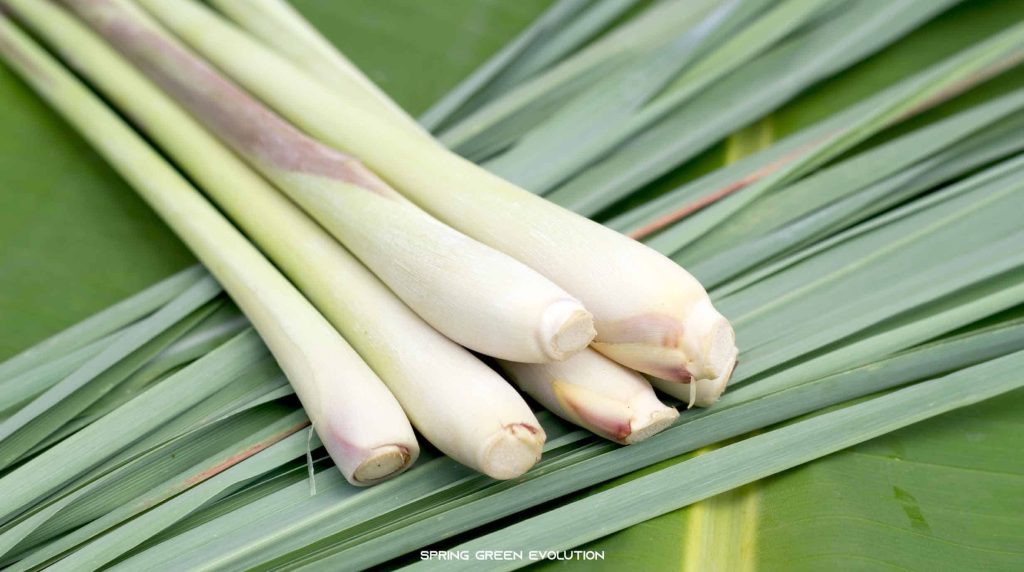
Benefits of lemongrass
Lemongrass can help relieve common ailments such as anxiety, colds, fevers, inflammation, and insomnia. When taken orally, lemongrass is often used to relieve stomach discomfort and other digestive problems, including cramps and vomiting.
Lemongrass tea is known to help treat stomach ailments, indigestion, and stomach ulcers by protecting the stomach lining.
When used medicinally, lemongrass may be taken orally, applied to the แทงบอล UFABET ราคาดีที่สุด ไม่มีขั้นต่ำ skin, or inhaled as an aromatherapy. When applied to the skin, lemongrass or lemongrass oil is used to treat headaches and musculoskeletal pain. As an aromatherapy, lemongrass oil extract may be inhaled to treat muscle aches, infections, colds, or flu symptoms.
Lemongrass can be taken orally to treat these symptoms.
- Anxiety
- Cancer prevention
- Common cold
- cough
- Diabetes
- Epilepsy
- fever
- High blood pressure
- Muscle and bone pain
- Arthritis
- Insomnia
However, there are few studies supporting some of the benefits of lemongrass. Preliminary research suggests that lemongrass oil added to hair tonics may help reduce dandruff. More studies are needed to confirm this benefit.
Possible side effects of lemongrass
Lemongrass is probably safe for most people when consumed in normal amounts. However, there are some concerns when used for medicinal purposes. When used topically, lemongrass can cause skin irritation. Additionally, consuming large amounts of lemongrass can cause dizziness, drowsiness, dry mouth, excessive urination, and increased appetite.
Large doses of lemongrass essential oil can damage the liver and stomach mucosa, according to Memorial Sloan Kettering Cancer Center. Consuming too much lemongrass tea can also affect kidney function.
The medical center also warns that pregnant women should avoid lemongrass, as some of its ingredients have been shown to cause birth defects in rats when consumed in large quantities. Additionally, those undergoing chemotherapy should avoid lemongrass, as it can interfere with the action of certain chemotherapy drugs.